Nvidia's Agent Toolkit Puts Ai Agents Inside the Software You Use at Work
At its GTC conference on March 16, Nvidia released an open toolkit for building Ai agents and named 17 software companies working with it, including Salesforce, SAP, Adobe and ServiceNow. Here is what that means for office workers.
At its GTC conference on March 16, Nvidia released an open toolkit for building Ai agents and named 17 software companies working with it, including Salesforce, SAP, Adobe and ServiceNow. Here is what that means for office workers.
Source: What About AI? — James Perkins
J
Former Head of In-Store Payments at JPMorgan Chase, where he led a global payments organization. Serial entrepreneur and co-creator of FlashQoE, with 18+ years in payments and enterprise technology. Founder of What About AI?
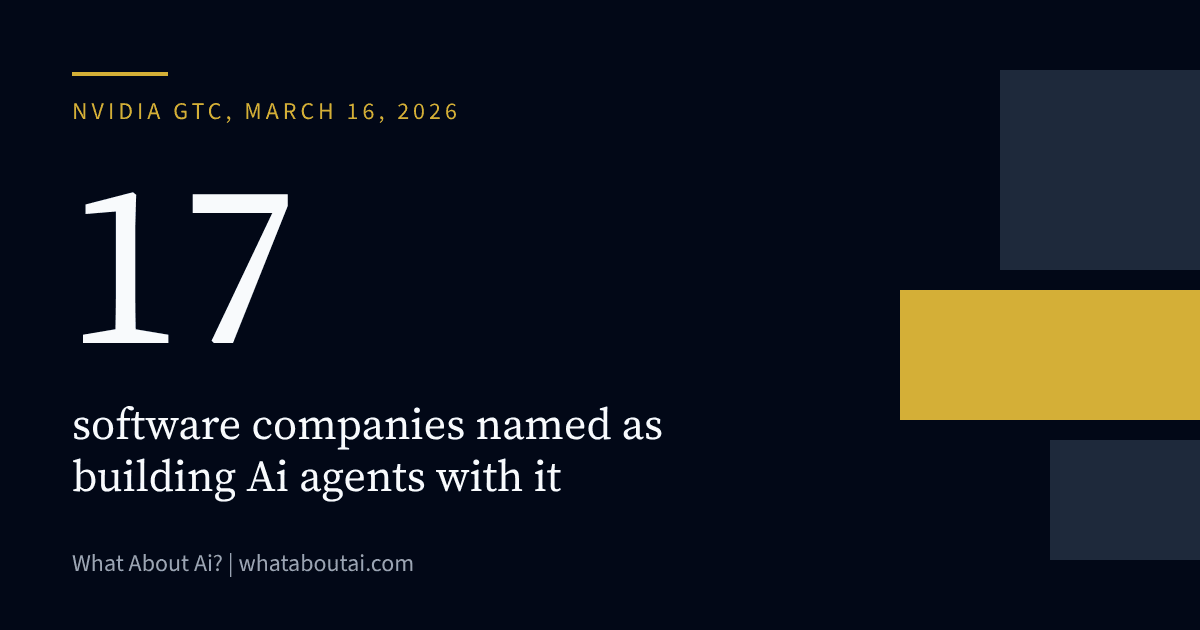
On March 16, at its GTC conference in San Jose, Nvidia announced the NVIDIA Agent Toolkit. It is a set of open source models and software for building Ai agents, which are programs that work out the steps of a task and carry them out on their own.
What Nvidia announced
The toolkit has several parts. One is OpenShell, a runtime that applies security, network and privacy rules to agents while they work. Another is AI-Q, a template for agents that search and analyze a company's internal knowledge. Nvidia says the AI-Q design can cut the cost of a query by more than 50%.
The part I paid most attention to is the list of software companies. By my count the press release names 17 of them, including Adobe, Atlassian, Box, Cisco, Salesforce, SAP, ServiceNow and Siemens.
eWeek reported some specifics. Salesforce is building a setup where employees use Slack to talk to its Agentforce agents. SAP is using Nvidia's software so customers can design their own agents in Joule Studio. IQVIA says it has already deployed more than 150 agents, including at 19 of the top 20 pharma companies.
Nvidia CEO Jensen Huang said employees will deploy and manage "teams of frontier, specialized and custom-built agents."
There is a caveat in the release. Nvidia says many of these products are at various stages and will be offered when and if they are available.
How I read it
I think the list of names matters more than the technology. Most office workers will never use an Nvidia product directly. They will open Slack, SAP or ServiceNow one morning and find an agent that can do part of their work.
My read is that this changes which skill gets rewarded. Huang's own description has employees deploying and managing agents. The person who knows how to set up an agent, check its work and fix its mistakes becomes more useful. The person who only does the task the agent now handles becomes less useful.
What I would do
- Write down the three or four software tools you spend the most time in. Check each vendor's site for its agent features and what is live today.
- Ask your manager or IT team when agent features will be turned on, and volunteer for the pilot group.
- Pick one repeating task you do every week and learn how to hand it to an agent, including how you would check the result.
- Do not wait for formal training. Vendors are shipping these features faster than most employers train people on them.
If you want help building a plan around this, that is what coaching is for.
Sources
Have a question about this?
James reads every message and usually replies within a day.
Tags:#Nvidia#Ai agents#GTC 2026#workplace software#Ai skills
Check Your AI Career Risk
Take our free quiz to get a personalized assessment of how AI might impact your specific job and industry.
Take the Free QuizRelated Articles
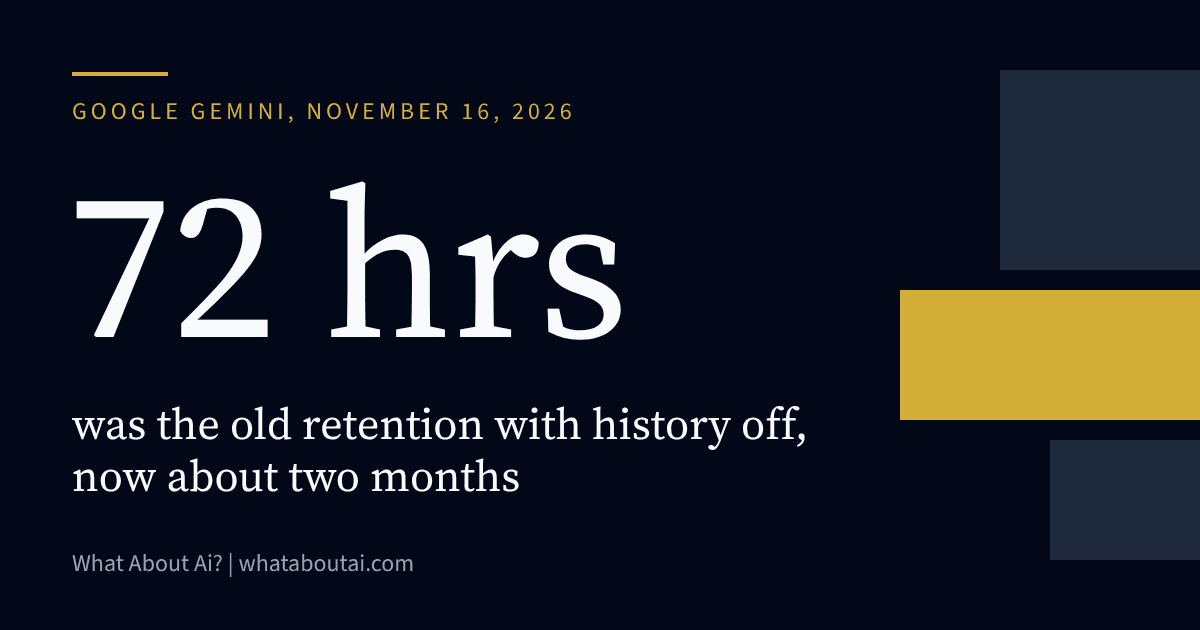
Google Will Keep Gemini Chats About Two Months, Even With History Off
Google is changing Gemini app settings. You can keep chat history and opt out of training, but chats with history off will now be saved for about two months, up from about 72 hours. Here is what workers should do.
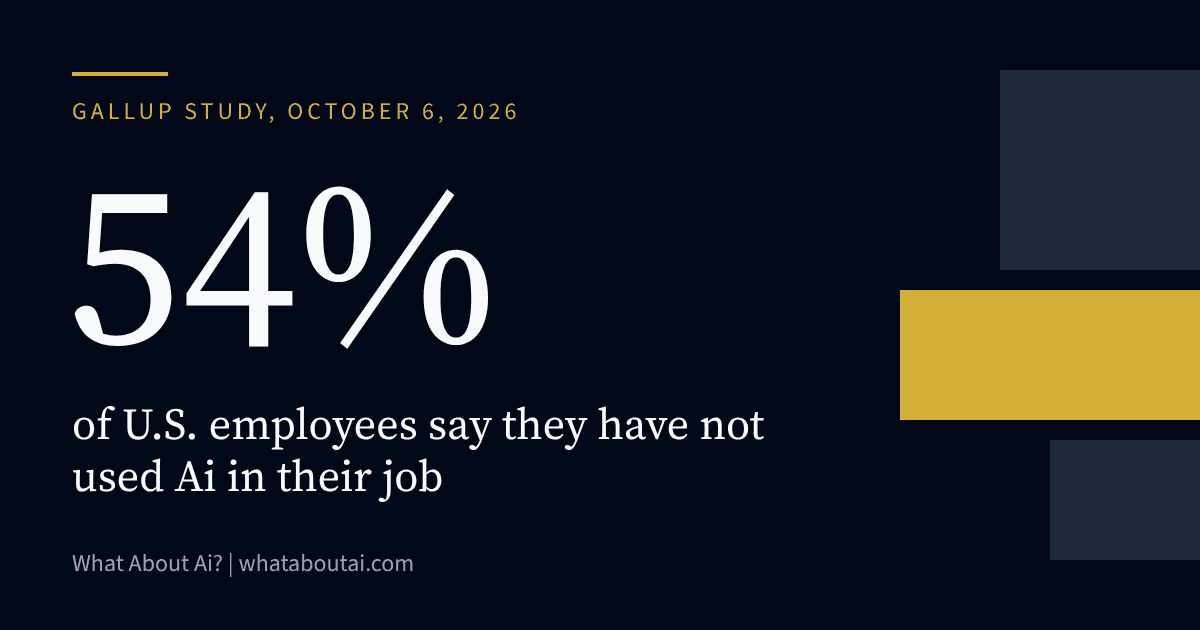
Gallup: 54% of U.S. Employees Have Not Used Ai in Their Job
A Gallup study of 15,482 employees found 28% use Ai at least weekly and 54% have not used it at work. Regular users report most of the benefit, and they are mostly college graduates and managers.
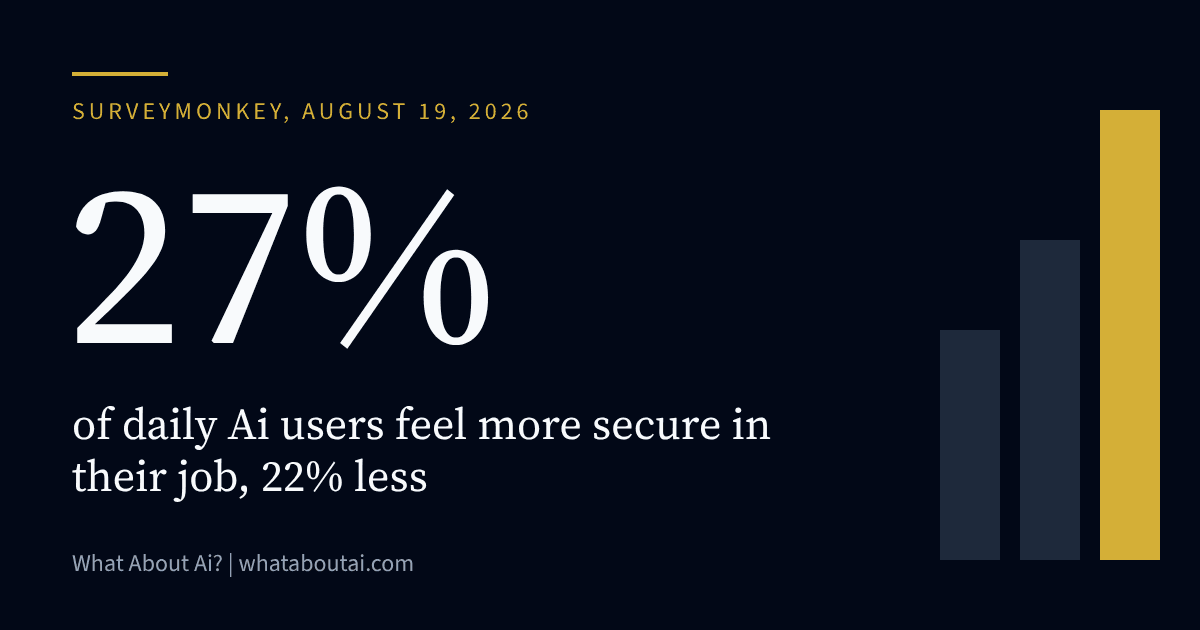
Daily Ai Users Feel Safer in Their Jobs Than Occasional Users
A SurveyMonkey survey published August 19 found 27% of daily Ai users feel more secure in their jobs. Among weekly users it is 10%. And 55% of workers say their employer has no Ai policy.