Google Will Keep Gemini Chats About Two Months, Even With History Off
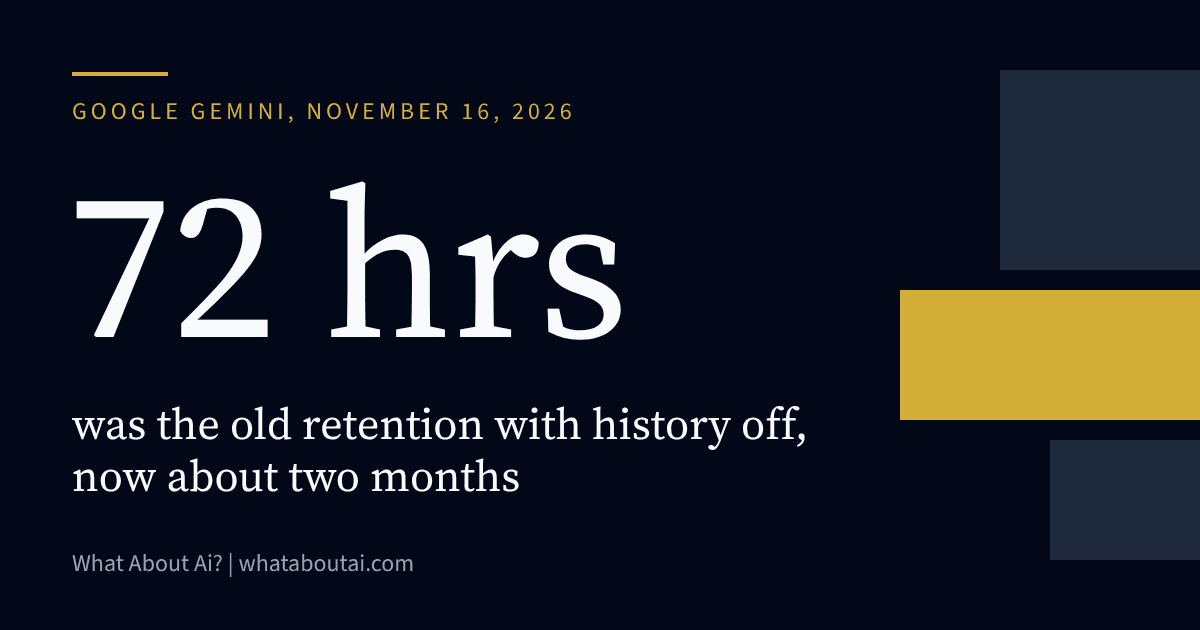
Google is changing Gemini app settings. You can keep chat history and opt out of training, but chats with history off will now be saved for about two months, up from about 72 hours. Here is what workers should do.
Google is changing Gemini app settings. You can keep chat history and opt out of training, but chats with history off will now be saved for about two months, up from about 72 hours. Here is what workers should do.
Source: What About AI? — James Perkins
J
Former Head of In-Store Payments at JPMorgan Chase, where he led a global payments organization. Serial entrepreneur and co-creator of FlashQoE, with 18+ years in payments and enterprise technology. Founder of What About AI?
What happened
Google announced new controls for the Gemini app on November 16. The good part is that you will be able to keep your chat history and still opt out of having it used to train Google's generative Ai models.
The other part is about how long chats are stored. Google's post says that if you turn the new History setting off, future chats are saved for about two months. Google says it uses them to respond to you, process feedback and protect its users and the public.
International Business Times reports the old period with history off was about 72 hours. It also reports that Temporary Chats will be kept about two months.
With history on, IBTimes says the default is to delete chats after 18 months. You can pick 3 months, 36 months, or no automatic deletion. Chats that go to human reviewers can be kept up to three years, even after you delete them, and Google says those are disconnected from your account. If you send feedback on a response, that conversation and its attachments can also be kept up to three years.
Google says the changes will roll out globally in the coming weeks.
How I read it
I think the training opt out is a real improvement. Many people wanted to keep their history without feeding it into training.
My concern is for workers who use a personal Gemini account for work tasks. A lot of people turned history off and assumed their chats were gone in a few days. After this change, a pasted customer list or contract sits on Google's servers for about two months.
I worked in payments at JPMorgan Chase, and my view is that work data sent through a personal account becomes a problem for the employee who sent it. Find out whether your employer has a policy on this and read it.
What I would do
- Do not paste customer data, financials, source code or anything under a confidentiality agreement into a personal Ai account. This goes for every chatbot.
- Ask your employer which Ai tools are approved for work data, and use those for work.
- When the new settings reach your account, open Gemini settings and choose your history and training options on purpose.
- Do not send feedback on a chat that holds private details, since that chat can then be kept up to three years.
Using these tools well and safely is now a job skill. Our free career risk assessment shows where your role stands.
Sources
Have a question about this?
James reads every message and usually replies within a day.
Tags:#Google Gemini#privacy#data retention#workplace policy#Ai tools
Check Your AI Career Risk
Take our free quiz to get a personalized assessment of how AI might impact your specific job and industry.
Take the Free QuizRelated Articles
Gallup: 54% of U.S. Employees Have Not Used Ai in Their Job
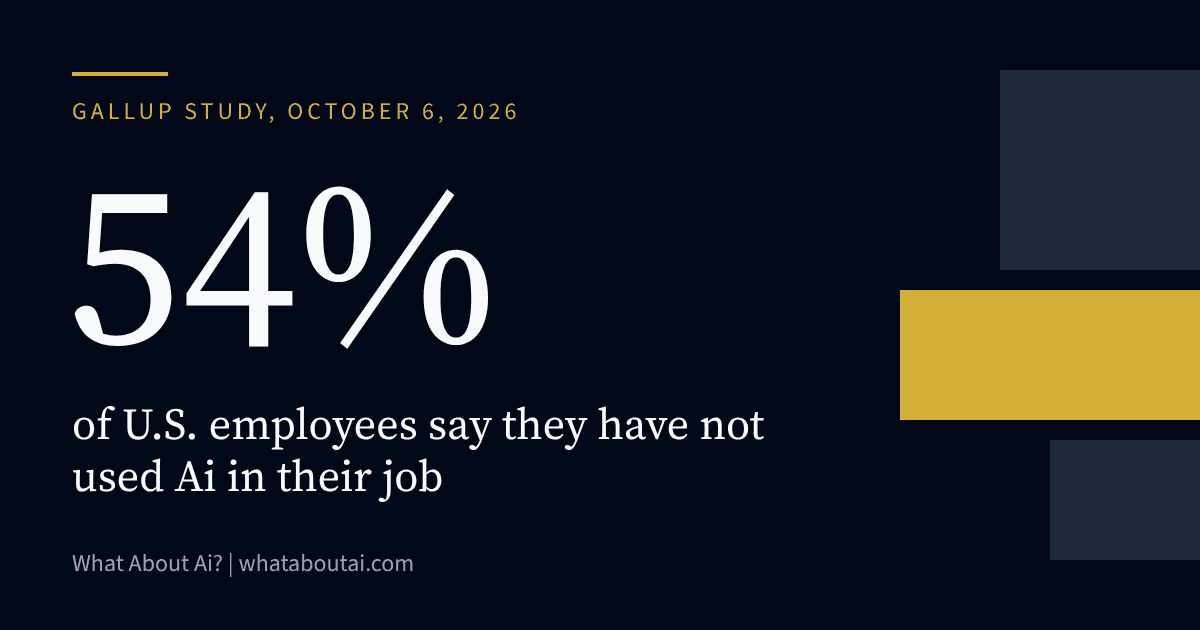
A Gallup study of 15,482 employees found 28% use Ai at least weekly and 54% have not used it at work. Regular users report most of the benefit, and they are mostly college graduates and managers.
Daily Ai Users Feel Safer in Their Jobs Than Occasional Users
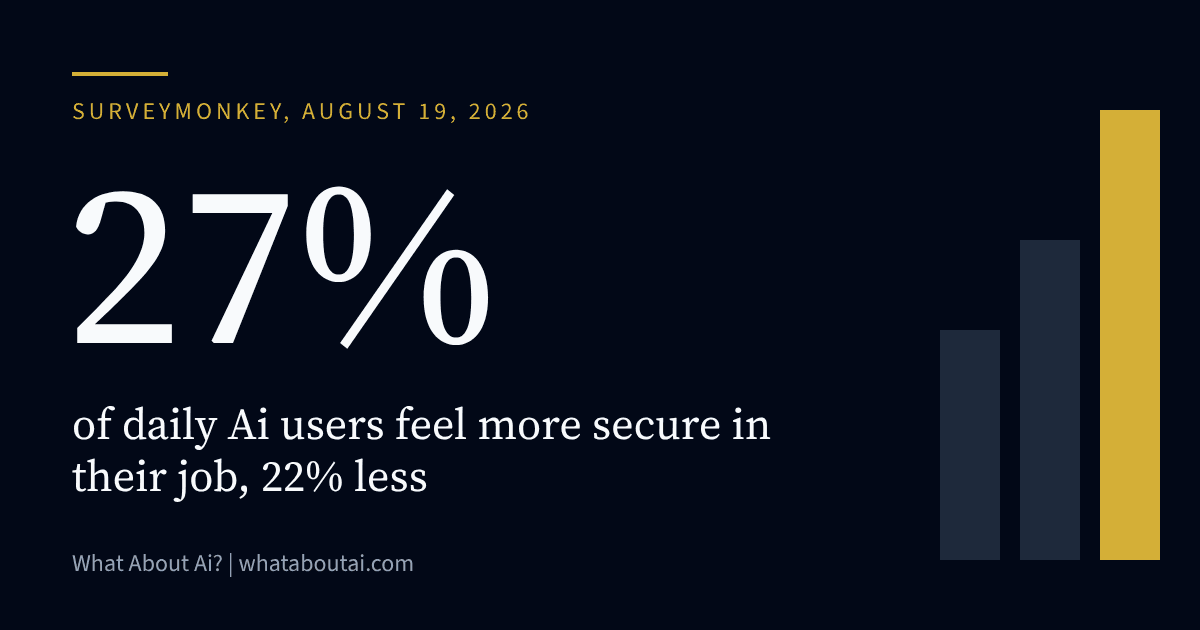
A SurveyMonkey survey published August 19 found 27% of daily Ai users feel more secure in their jobs. Among weekly users it is 10%. And 55% of workers say their employer has no Ai policy.
Half of Small Business Workers Use Ai. About 1 in 10 Were Offered Training.
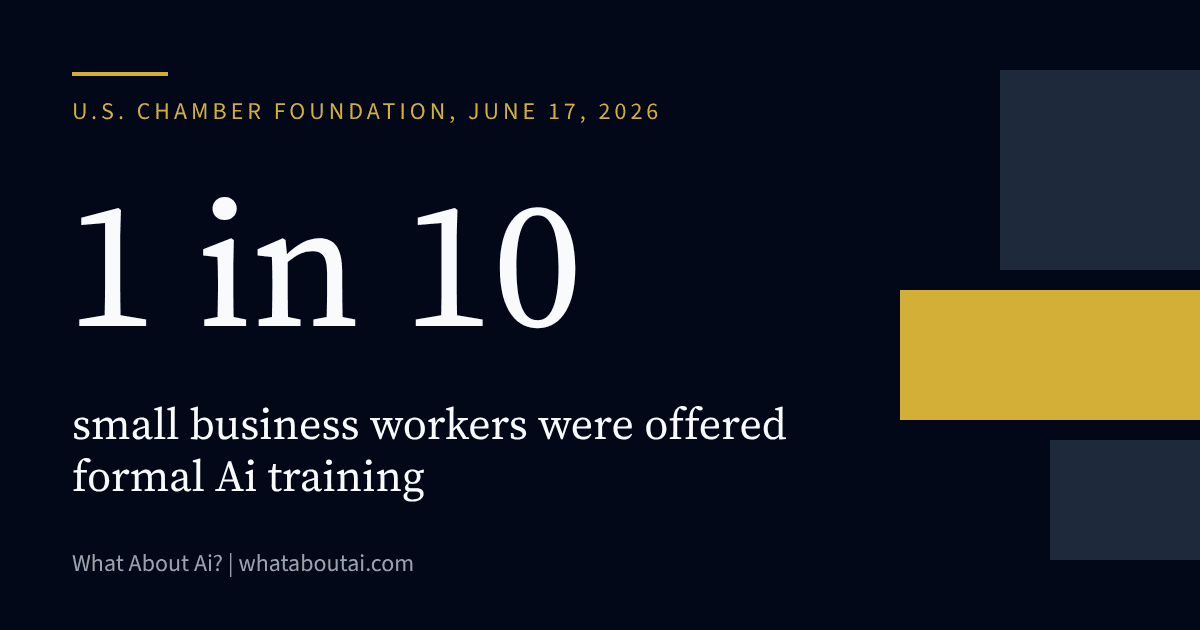
A new U.S. Chamber of Commerce Foundation and Ipsos survey of 1,070 small business workers found half use Ai at work, mostly on their own, and about 1 in 10 were offered formal training.