The EU Delayed Its Rules for Ai in Hiring Until December 2027
An EU law that took effect July 27 moves the strict rules for high-risk Ai systems, including those used in employment, from August 2026 to December 2027. Here is what changed and what I would do as a worker.
An EU law that took effect July 27 moves the strict rules for high-risk Ai systems, including those used in employment, from August 2026 to December 2027. Here is what changed and what I would do as a worker.
Source: What About AI? — James Perkins
J
Former Head of In-Store Payments at JPMorgan Chase, where he led a global payments organization. Serial entrepreneur and co-creator of FlashQoE, with 18+ years in payments and enterprise technology. Founder of What About AI?
What happened
The European Union has changed the timeline of its AI Act. The amending law, called the Digital Omnibus on AI, was published in the EU's Official Journal on July 24 and took effect on July 27. The law firm Lewis Silkin published a summary the same day.
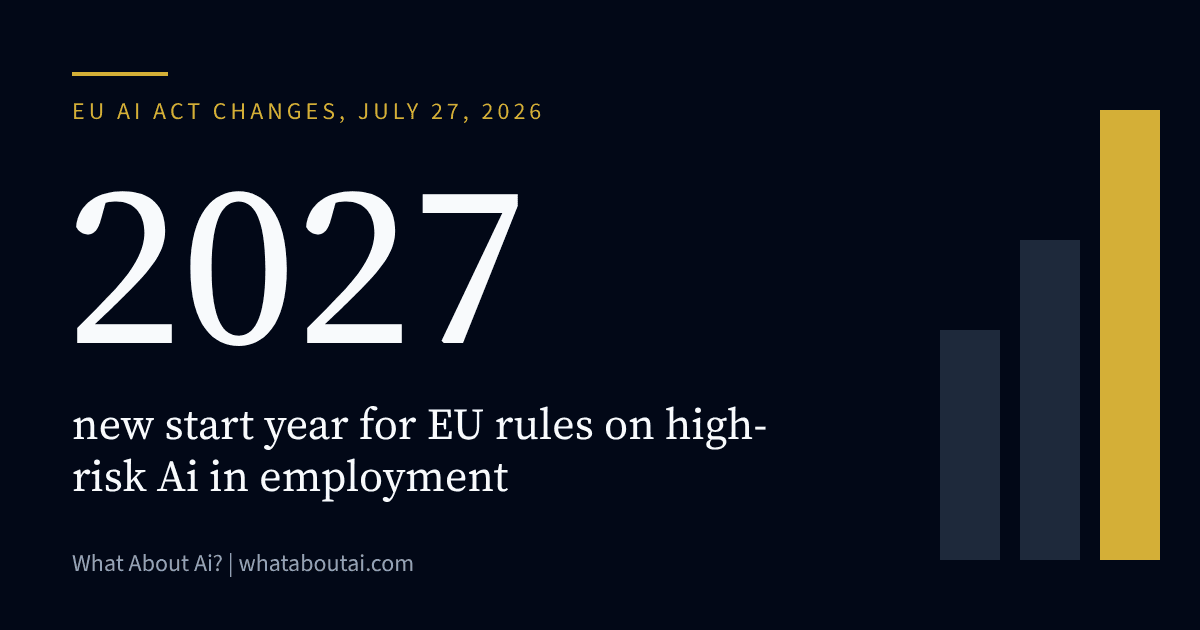
The biggest change for workers is a delay. The strict rules for stand-alone high-risk systems were due to apply on August 2, 2026. They now apply on December 2, 2027. Employment is one of the areas on the high-risk list, although not every Ai system used in those areas counts as high-risk.
Some rules did not move. From August 2, 2026, people must be told when they are interacting with an Ai system. Providers of systems that generate text, images, audio or video must mark that output in a machine-readable way, with a grace period until December 2, 2026 for systems already on the market.
The Ai literacy duty was also softened. Employers must take steps to support Ai literacy among staff who operate these systems. They no longer have to make sure each person reaches a set level. Lewis Silkin says that in practice this means documenting training and awareness programs.
How I read it
If you apply for jobs with EU employers, or work for one, the protections you may have heard about for Ai in hiring and people management are now about 16 months further away. I am not going to argue whether the delay is right. It is the law now, and the practical point is that nobody should wait for a regulator to check these tools for them before late 2027.
My read is that the disclosure rule is the part you will notice first. Starting August 2, a chatbot in a hiring process in the EU has to tell you it is a chatbot.
I also think the literacy change puts more of the learning on the worker. Your employer has to offer support. Nobody has to confirm that you can use the tools well.
What I would do
- Ask recruiters directly whether Ai is used to screen or rank applicants, and ask how to request a human review. You can ask this in any country.
- Write your resume so that software and people can both read it. Use plain job titles, clear dates and results with numbers.
- If your employer offers Ai training, take it and keep a record of what you completed.
- If your employer offers none, ask for it in writing. Under the revised law, EU employers are expected to support it.
- Do not wait for your company to teach you. Pick one Ai tool used in your field and practice with it every week.
Sources
Have a question about this?
James reads every message and usually replies within a day.
Tags:#EU AI Act#hiring#regulation#Ai literacy#job search
Check Your AI Career Risk
Take our free quiz to get a personalized assessment of how AI might impact your specific job and industry.
Take the Free QuizRelated Articles
Anthropic Adds Spreadsheets and Whiteboards to Claude. What Office Workers Should Do.
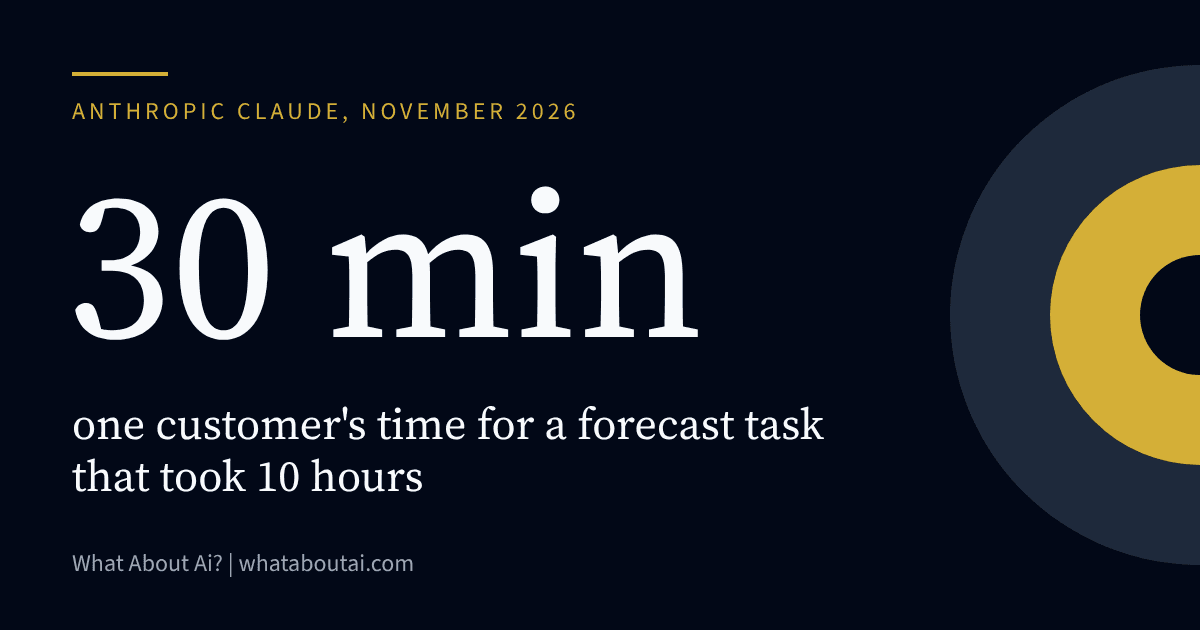
Anthropic put spreadsheets, whiteboards and data dashboards inside Claude this week. One customer says a 10 hour forecasting task now takes under 30 minutes. Here is what I would do if my job runs on spreadsheets.
Employers Blamed Ai for 1,265 Job Cuts in October, the Lowest Month of 2026
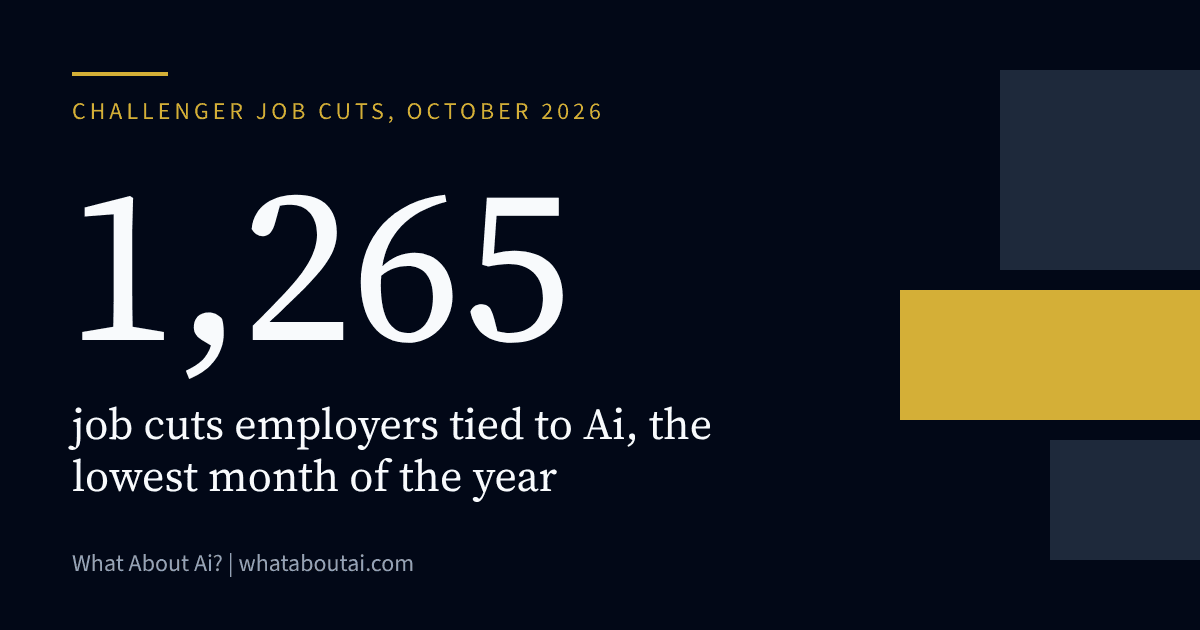
Challenger, Gray & Christmas counted 1,265 job cuts that employers tied to Ai in October, the lowest month of 2026. The year-to-date count is still 121,401. Here is how I read both numbers.
Ai Was the Reason for 9% of September Job Cuts, Down From a Third in July
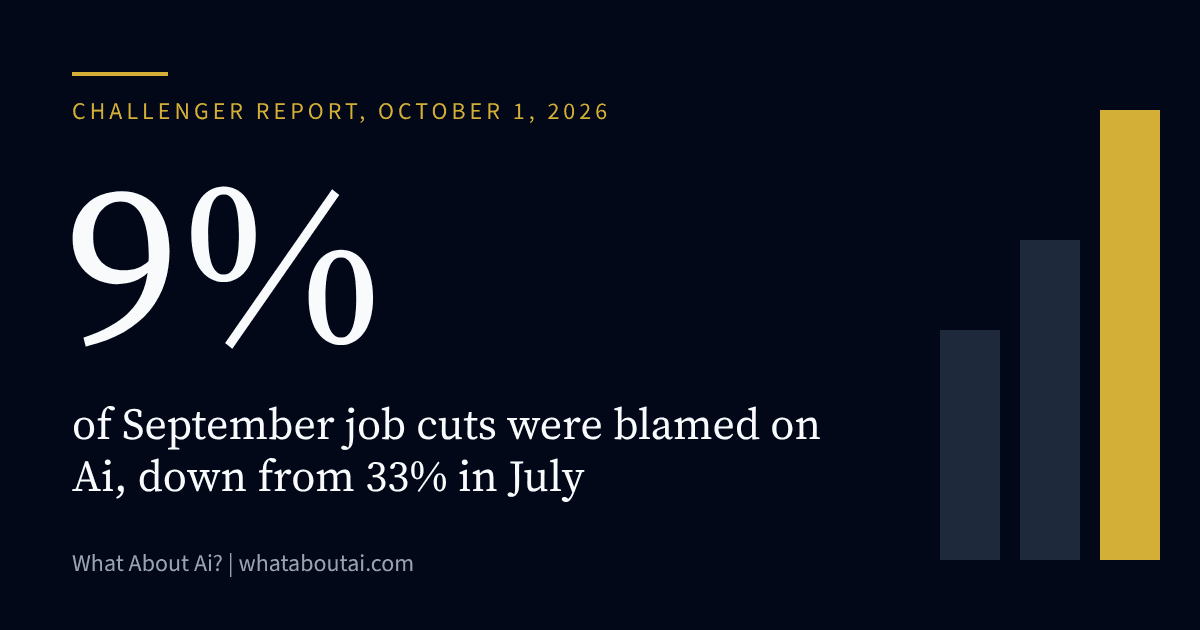
Challenger counted 43,281 announced job cuts in September and employers blamed Ai for 3,961 of them. Ai is still the top reason for the year at 120,136, and hiring plans were the weakest for a September since 2011.